Introduction to Dumpsters and Their Types
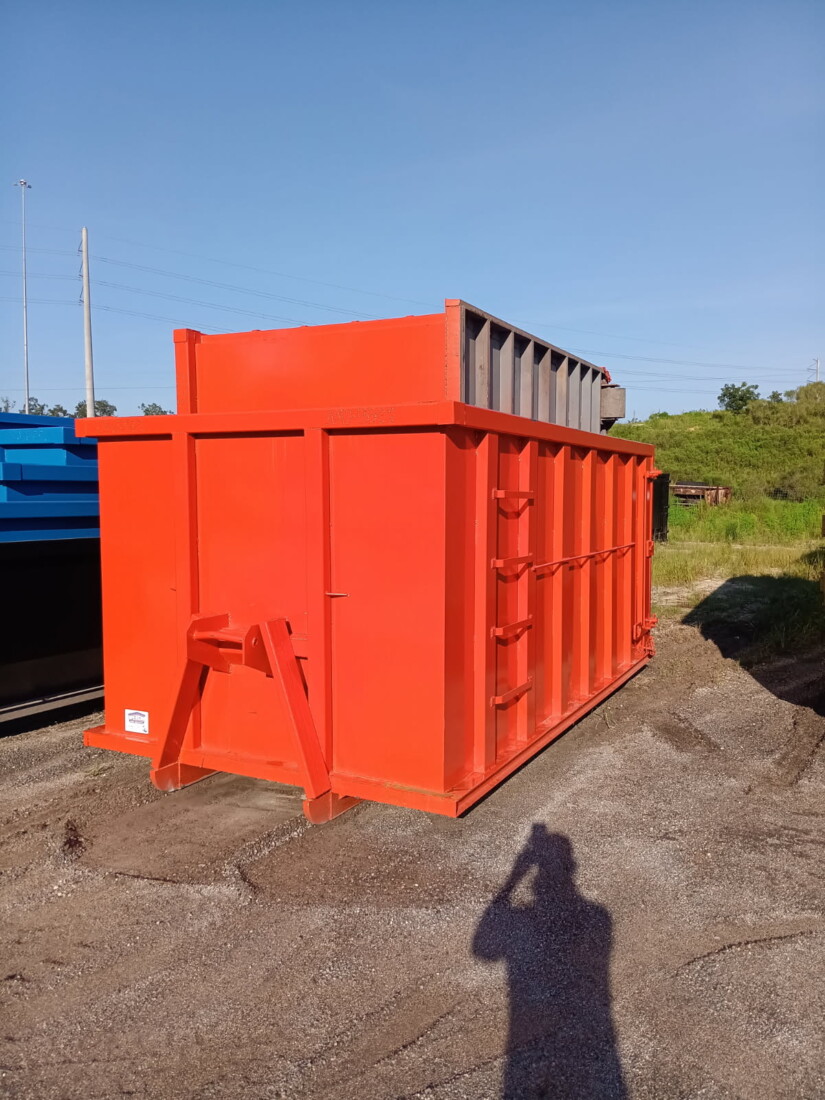
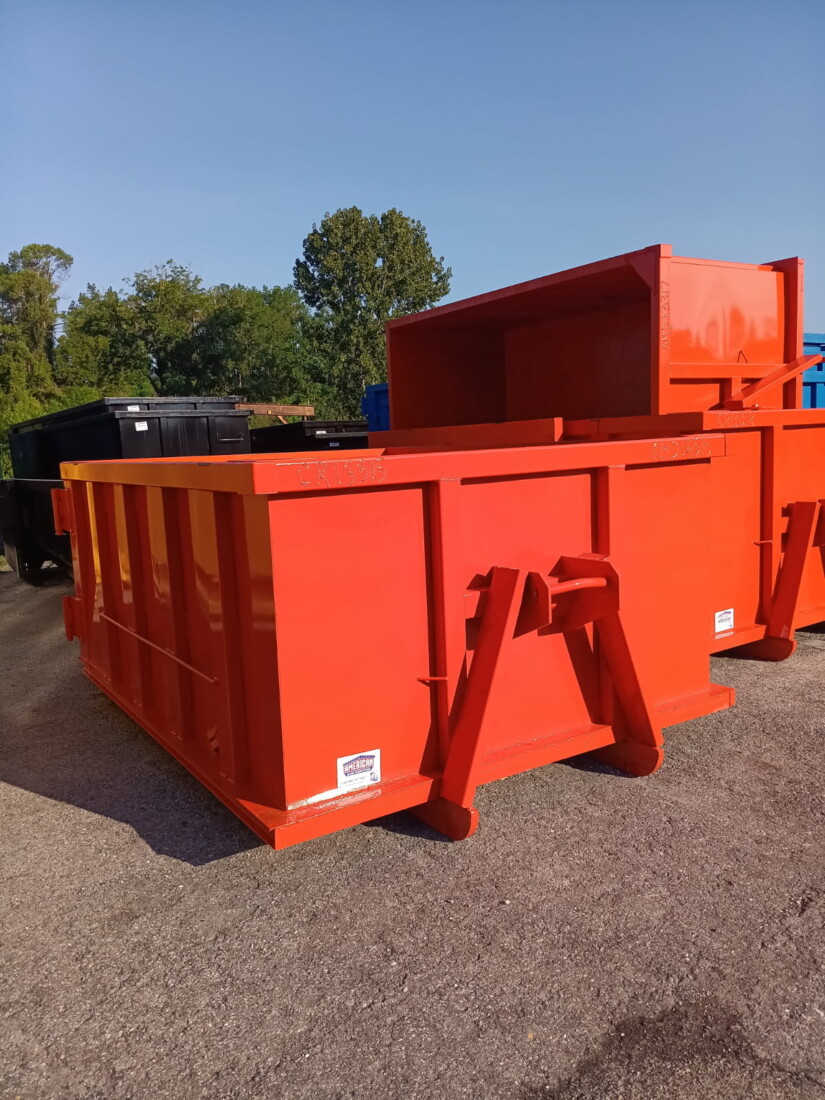
Dumpsters are essential tools in waste management, construction, and renovation projects. They come in various sizes and styles to accommodate different needs, from small home cleanouts to large-scale commercial jobs. Two common types are hook lift dumpsters and box style dumpsters (often referred to as roll-off or open-top boxes).Hook Lift Dumpsters: These use a hydraulic hook system on a specialized truck to lift and transport the container. The “36-inch” designation refers to the height of the hook bar on the dumpster, which is compatible with smaller hook lift trucks. This design allows for easier maneuvering in tight spaces and is ideal for urban or residential areas where larger vehicles might struggle. Hook lift systems are versatile, as the same truck can handle multiple container sizes.
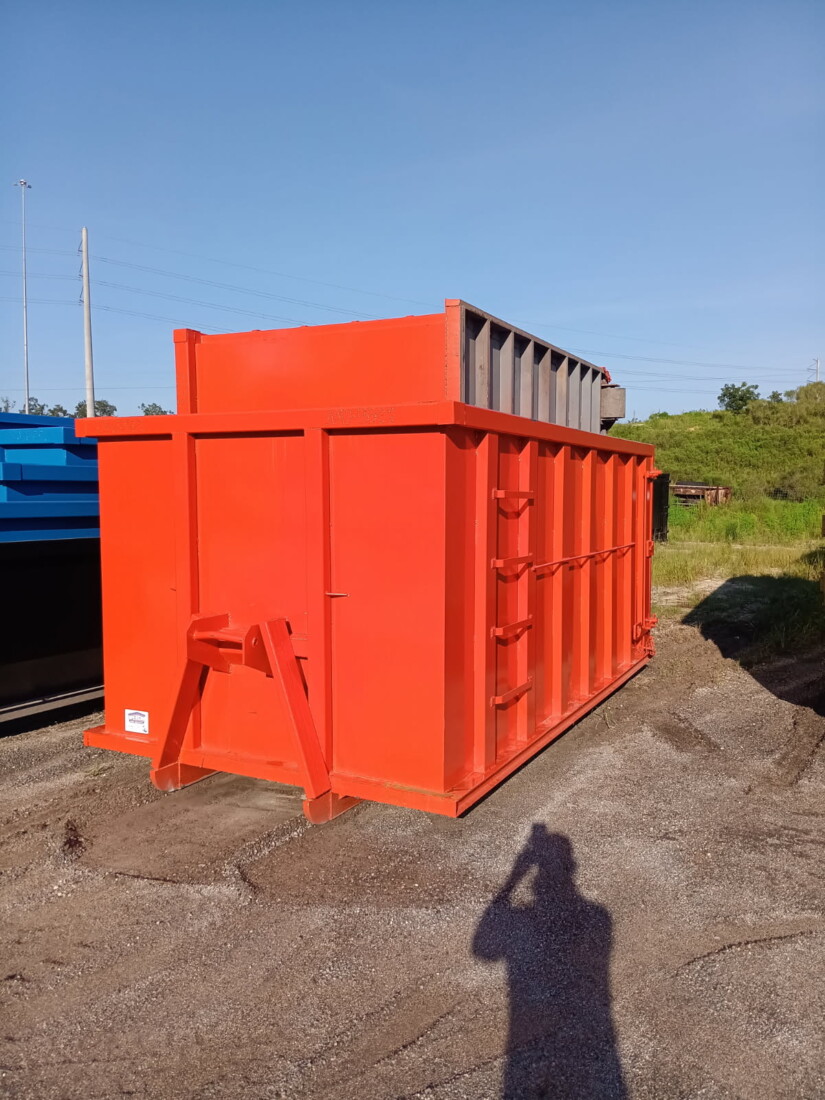
Box Style Dumpsters: These are traditional roll-off containers with a rectangular, open-top design. They are pulled onto a truck using cables or a winch system. Box style dumpsters are sturdy and commonly used for heavy debris, as they can handle significant weight loads without specialized hook equipment.
In this comparison, we’ll focus on a 10-yard hook lift dumpster (with a 36-inch hook height and 12 feet in length) versus a 20-yard box style dumpster (14 feet in length). We’ll cover dimensions, capacities, uses, pros and cons, and tips for selection. This guide aims to educate users on how to choose the right dumpster based on project scale, site constraints, and environmental considerations.
Key Dimensions and SpecificationsDumpster sizes are measured in cubic yards, which indicate the volume of waste they can hold. One cubic yard equals 27 cubic feet—roughly the size of a standard washing machine. However, actual capacity depends on how materials are loaded (e.g., avoiding overfilling for safety).Use the table below for a side-by-side comparison of typical dimensions. Note: Dimensions can vary slightly by manufacturer, but we’ve used standard averages aligned with the specified lengths. Width is typically around 8 feet for both to fit on standard roads and driveways.Feature
36-Inch Hook Lift (10-Yard, 12 ft Long)
20-Yard Box Style (14 ft Long)
Length
12 feet
14 feet
Width
8 feet
8 feet
Height
3.5–4 feet (adjustable based on model)
4.5–5 feet
Hook Height
36 inches (specific to hook lift system)
N/A (uses roll-off mechanism)
Volume Capacity
Approximately 10 cubic yards
Approximately 20 cubic yards
Weight Limit
2–3 tons (4,000–6,000 lbs)
3–4 tons (6,000–8,000 lbs)
Equivalent in Trash Bags
50–70 standard 32-gallon bags
110–130 standard 32-gallon bags
Equivalent in Pickup Truck Loads
3–4 loads
6–7 loads
How to Calculate Dumpster VolumeTo understand why these are called “10-yard” or “20-yard,” use this simple formula:
Volume (cubic yards) = (Length × Width × Height in feet) ÷ 27 For the 10-yard hook lift: (12 ft × 8 ft × 3.5 ft) = 336 cubic feet ÷ 27 ≈ 12.4 cubic yards (labeled as 10 yards for safe loading margins).
For the 20-yard box: (14 ft × 8 ft × 4.5 ft) = 504 cubic feet ÷ 27 ≈ 18.7 cubic yards (close to 20 yards, accounting for overfill prevention).
Always factor in a 10–20% buffer below the rim to prevent spills during transport, as required by most regulations.Common Uses and ApplicationsChoosing the right dumpster depends on your project’s waste type and volume. Here’s how these sizes stack up educationally:10-Yard Hook Lift Dumpster (12 ft Long):
Best for small-scale projects due to its compact size and hook lift compatibility. Ideal Uses: Home garage cleanouts, small bathroom remodels, yard waste removal (e.g., shrubs or sod), or heavy materials like concrete/brick in limited quantities (up to 1–2 tons). It’s popular for urban settings where space is tight, as the 36-inch hook allows smaller trucks to access driveways or alleys.
Educational Tip: This size teaches efficient waste sorting—separate recyclables to maximize space. For example, it’s great for DIY projects where you generate 2–3 tons of debris, like roofing shingles from a small house section.
20-Yard Box Style Dumpster (14 ft Long):
Suited for medium-sized jobs, offering double the capacity in a slightly longer footprint. Ideal Uses: Full kitchen renovations, deck demolitions, large landscaping projects, or construction sites with mixed debris (wood, drywall, and appliances). It handles bulkier items like furniture or tree limbs and is common for commercial cleanouts.
Educational Tip: This size highlights the importance of load distribution—place heavier items at the bottom to avoid tipping. It’s efficient for projects producing 3–4 tons of waste, such as attic clear-outs or office remodels, and encourages users to consider environmental impact by diverting compostable yard waste.
When to Choose One Over the OtherOpt for the 10-yard hook lift if your site has limited access (e.g., narrow streets) or if you’re a beginner managing a small project. It’s more maneuverable and cost-effective for short-term rentals.
Choose the 20-yard box for larger volumes where efficiency matters—fewer trips to the landfill mean lower carbon emissions. However, ensure your site can accommodate the extra 2 feet in length.
Pros and ConsTo make informed decisions, weigh these factors:Aspect
36-Inch Hook Lift (10-Yard) Pros & Cons
20-Yard Box Style Pros & Cons
Pros
- Compact and easy to place in tight spots.
- Versatile hook system for quick swaps.
- Lower rental costs for small jobs.
- Educational for learning waste estimation on smaller scales.
- Higher capacity reduces multiple hauls.
- Sturdy for heavy, bulky loads.
- Better value for medium projects.
- Teaches volume management for larger waste streams.
Cons - Limited space; overfilling risks fines.
- Hook lift trucks may not be available everywhere.
- Not ideal for very heavy loads without reinforcement.
- Requires more space for delivery.
- Higher weight could damage driveways if not protected.
- More expensive if underutilized.
Safety and Environmental TipsSafety Education: Always load evenly and avoid protruding items. Use protective gear when handling debris, and never climb inside a full dumpster. Check local permits—some areas require them for street placement.
Environmental Insights: Dumpsters promote responsible disposal. Recycle metals and wood to reduce landfill use. For hook lifts, the system’s efficiency can lower fuel consumption in fleet operations. Aim to fill only what you need to minimize waste.
Cost Considerations: Rentals typically cost $200–$400 for 10-yard and $300–$500 for 20-yard (varies by location). Factor in overage fees for exceeding weight limits.
By understanding these differences, you can select the right dumpster, save money, and contribute to sustainable waste practices.