
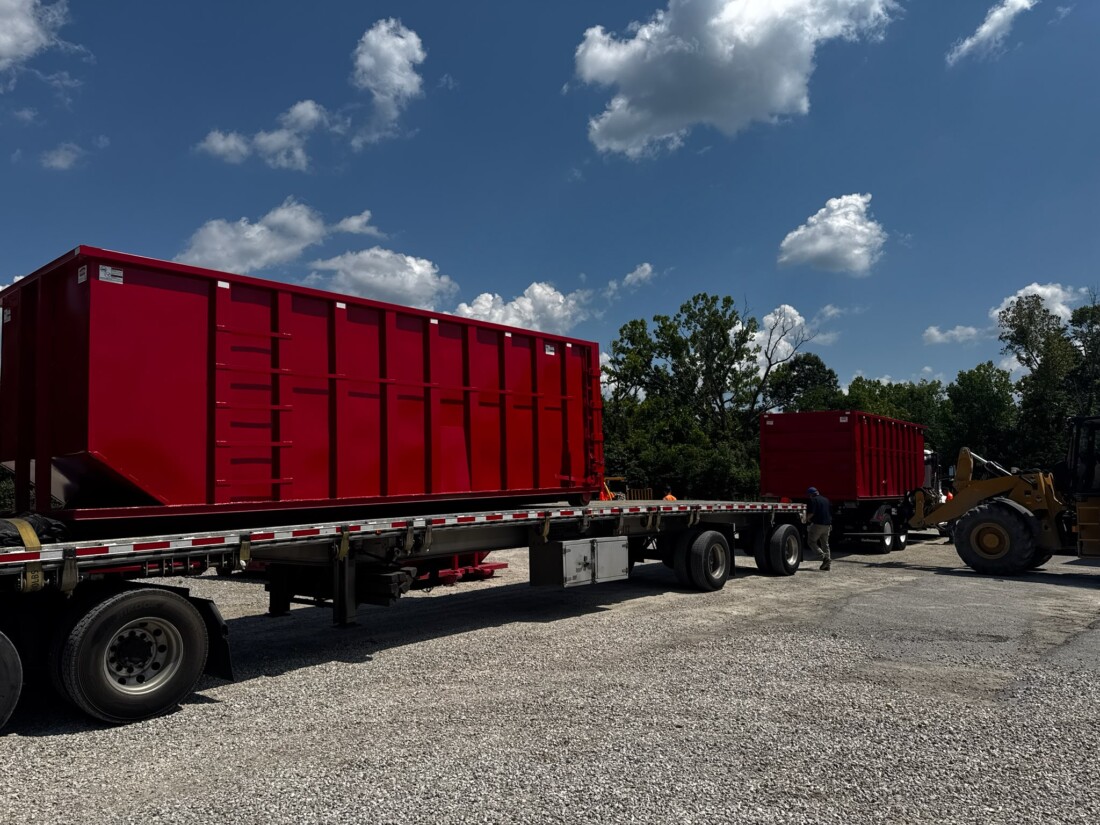
Offloading a 40-yard rectangular dumpster from a semi-trailer is a task that requires careful planning, the right equipment, and adherence to safety protocols. Based on industry practices and insights from available resources, including the context of YouTube clips demonstrating similar activities, here is a step-by-step procedure for offloading an American Made Dumpsters 40-yard rectangular dumpster from a semi-trailer. Since I don’t have direct access to specific YouTube clips, this guide is based on general knowledge of roll-off dumpster handling and information from related sources, such as American Made Dumpsters and other waste management references.
Step-by-Step Procedure1. Preparation and Safety Checks
- Inspect the Site: Ensure the offloading area is flat, paved, and free of obstacles. For a 40-yard dumpster (typically 22 feet long, 7.5–8 feet wide, 8 feet tall), you need at least 60 feet of horizontal space and 23–25 feet of vertical clearance for the truck and trailer maneuverability.
- Check Equipment: Verify that the semi-trailer (often equipped with a roll-off or hooklift system) and any unloading equipment (e.g., forklift, crane, or roll-off truck) are in good working condition. Ensure the trailer’s hydraulic system or hoist is operational.
- Personal Protective Equipment (PPE): Wear appropriate PPE, including a hard hat, high-visibility vest, steel-toed boots, and gloves.
- Secure Permits (if needed): If placing the dumpster in a public space (e.g., street), check with the local municipality for required permits.
- Confirm Dumpster Specifications: American Made Dumpsters’ 40-yard roll-off dumpsters are built with universal cable lift or hooklift understructures and weigh approximately 6,500 lbs when empty. Ensure the unloading equipment can handle this weight and is compatible with the dumpster’s design (rectangular, likely with a cable or hooklift system).
2. Position the Semi-Trailer
- Maneuver the Trailer: Carefully back the semi-trailer into the designated offloading area, aligning it with the spot where the dumpster will be placed. Use a spotter to guide the driver and ensure safe positioning.
- Stabilize the Trailer: Engage the trailer’s parking brake and, if necessary, use wheel chocks or stabilizing jacks to prevent movement during offloading.
- Clear the Area: Ensure no personnel or equipment are in the immediate vicinity of the offloading zone to avoid accidents.
3. Prepare the Dumpster for Offloading
- Inspect the Dumpster: Check the 40-yard dumpster for any damage or obstructions that could interfere with offloading. Ensure the doors (if present) are secured and the dumpster is properly secured to the trailer.
- Verify Attachment: Confirm that the dumpster is attached to the trailer’s roll-off or hooklift system (e.g., cable lift or hook frame). American Made Dumpsters are designed for compatibility with standard roll-off systems, so ensure the trailer’s mechanism matches the dumpster’s understructure.
- Release Securing Mechanisms: If the dumpster is strapped or chained to the trailer for transport, carefully remove these restraints while ensuring the dumpster remains stable.
4. Engage the Offloading Mechanism
- For Roll-Off Cable Lift Systems (Common for American Made Dumpsters):
- Activate the trailer’s hydraulic system to engage the cable lift.
- Slowly tilt the trailer bed to a 45-degree angle (or as specified by the equipment) to allow the dumpster to slide off the trailer. The dumpster’s rollers or skids will facilitate movement.
- Use the cable system to control the descent, ensuring the dumpster slides off smoothly onto the ground.
- For Hooklift Systems (If Applicable):
- Engage the hydraulic hooklift arm to lift the dumpster by its hook (typically 36″, 54″, or 62″ height, with a 1.5″ or 2.5″ hook size).
- Carefully extend the hooklift arm to lower the dumpster to the ground, keeping it level to avoid tipping.
- Engage the hydraulic hooklift arm to lift the dumpster by its hook (typically 36″, 54″, or 62″ height, with a 1.5″ or 2.5″ hook size).
- For Stacked Dumpsters (Hawaii or Island Shipments):
- If multiple dumpsters are stacked on the semi-trailer (as noted for shipments to Hawaii, Guam, or American Samoa), use a heavy-duty forklift or crane to lift the top dumpster(s) off the stack before offloading the bottom one. Ensure the lifting equipment is rated for at least 6,500 lbs (empty weight of a 40-yard dumpster).
- Place lifted dumpsters in a nearby staging area before proceeding with the roll-off or hooklift process for the remaining unit.
- If multiple dumpsters are stacked on the semi-trailer (as noted for shipments to Hawaii, Guam, or American Samoa), use a heavy-duty forklift or crane to lift the top dumpster(s) off the stack before offloading the bottom one. Ensure the lifting equipment is rated for at least 6,500 lbs (empty weight of a 40-yard dumpster).
5. Lower and Position the Dumpster
- Guide the Dumpster: As the dumpster slides or is lowered, use a spotter to ensure it lands in the desired location. Avoid sudden movements to prevent damage to the dumpster or ground surface.
- Level the Dumpster: Once on the ground, check that the dumpster is level and stable. If necessary, place wooden blocks or other supports under the dumpster to prevent it from sinking into soft ground.
- Disconnect the System: Release the cable or hooklift arm from the dumpster, ensuring all connections are fully disengaged.
6. Post-Offloading Checks
- Inspect the Dumpster: Verify that the dumpster is undamaged and properly positioned. Check that the doors (if any) are accessible and functional.
- Clear the Area: Remove any debris or equipment from the offloading site. Ensure the semi-trailer is free of any remaining straps, cables, or hooks.
- Document the Delivery: If part of a rental or sale, take photos of the placed dumpster and note any observations for the customer or records.
7. Depart the Site
- Prepare the Trailer: Lower the trailer bed (for roll-off systems) or retract the hooklift arm, ensuring it’s ready for transport.
- Exit Safely: Carefully drive the semi-trailer away from the site, ensuring no personnel or obstacles are in the path.
- Notify the Customer: If delivering for a rental or sale, inform the customer that the dumpster is in place and provide any usage instructions (e.g., weight limits of 10,000–16,000 lbs, prohibited materials like hazardous waste).
Additional Notes
- American Made Dumpsters Specifics: These dumpsters are built with American steel and designed for durability, often featuring protective coatings and ANSI-compliant understructures. Their compatibility with standard roll-off or hooklift systems makes offloading straightforward with the right equipment.
- Safety First: Always prioritize safety. Ensure all personnel are trained in operating hydraulic systems or heavy equipment, and maintain a clear perimeter during offloading to prevent accidents.
- Equipment Needs for Stacked Units: For shipments like those to Hawaii, where dumpsters may arrive stacked on a semi-trailer, a forklift or crane is essential. Ensure the equipment’s lifting capacity exceeds the dumpster’s weight (6,500 lbs empty, potentially more if loaded).
If You Need More Specific GuidanceIf you have a particular YouTube clip or a specific type of semi-trailer (e.g., roll-off truck vs. flatbed with hooklift), please provide more details, and I can tailor the steps further. Additionally, if you’re referring to a unique setup (e.g., multiple stacked dumpsters or non-standard equipment), let me know, and I can adjust the procedure accordingly.For further information on American Made Dumpsters or to request a quote, you can visit their website at americanmadedumpsters.com.

