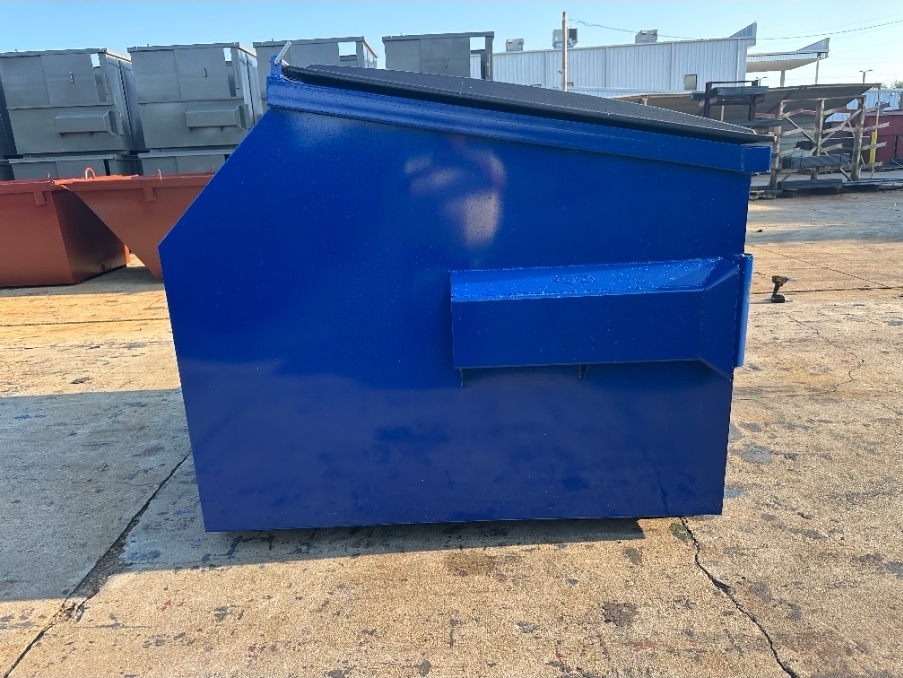
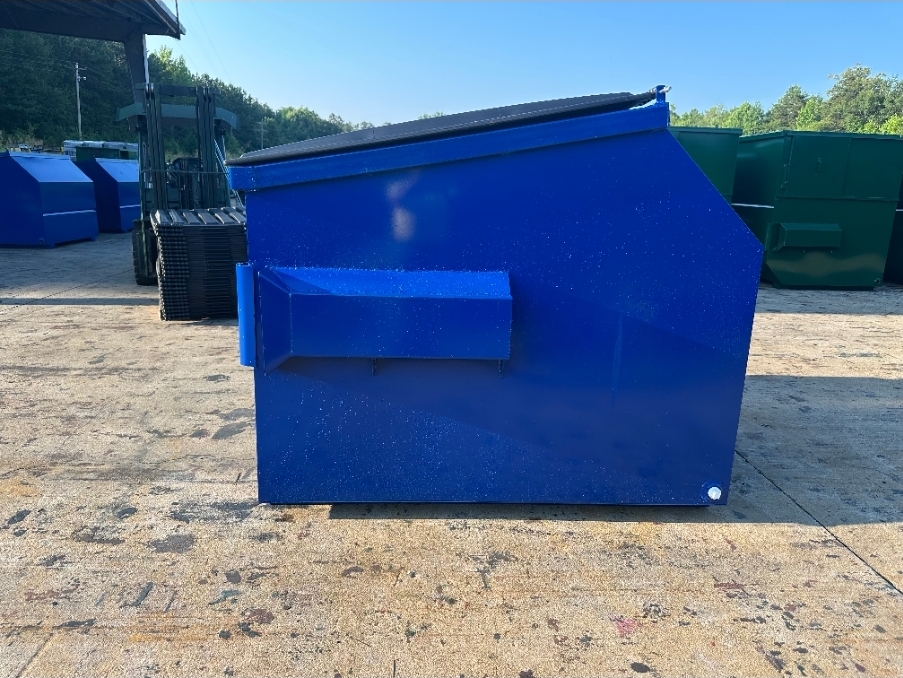
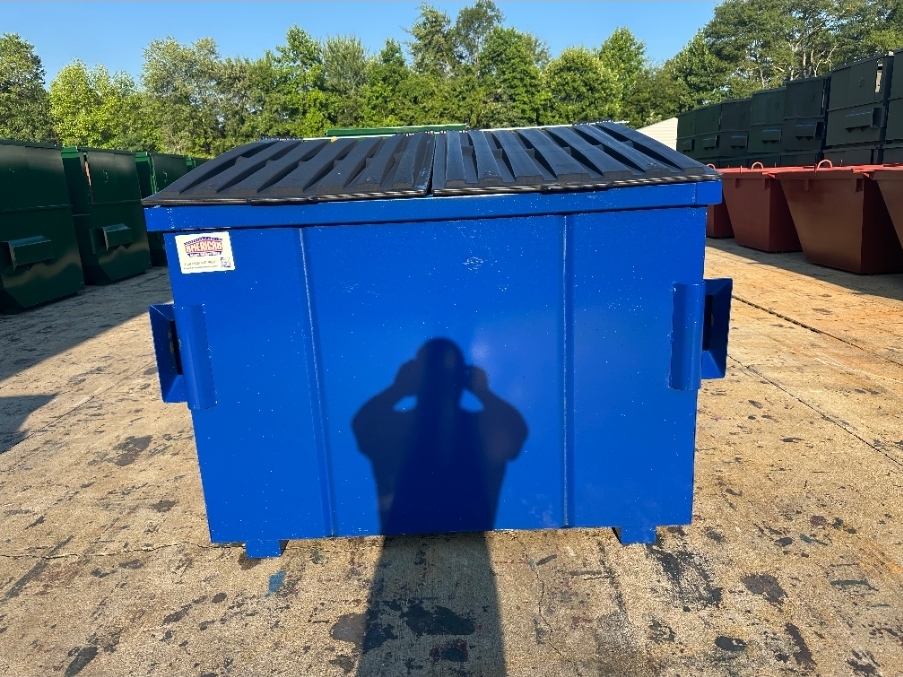
When you picture a dumpster, chances are you imagine a blue one. This isn’t a coincidence—blue has become a hallmark color for waste management companies across the United States, particularly for recycling dumpsters. But why blue? The preference for blue dumpsters, especially for recycling, traces back to industry trends, practical considerations, and even a bit of history involving Browning-Ferris Industries (BFI). Below, we explore the reasons behind this color choice, the role BFI played in starting the trend, and whether the color of a dumpster truly makes a difference.The Origins of Blue: BFI’s InfluenceBrowning-Ferris Industries (BFI), a major waste management company founded in Houston, Texas, in 1968, played a pivotal role in shaping the modern waste industry. As one of the first waste haulers to go public on the New York Stock Exchange, BFI was a trailblazer, competing fiercely with Waste Management, Inc. During the 1970s and 1980s, BFI began standardizing its operations, including the use of color-coded dumpsters to differentiate waste streams. Blue emerged as a preferred color for recycling dumpsters, a trend that caught on industry-wide.
BFI’s choice of blue wasn’t arbitrary. At the time, recycling was gaining traction as environmental regulations tightened, and BFI recognized the need to make recycling bins easily identifiable. Blue, a calm and universally recognizable color, was chosen to signal recycling, distinguishing it from general waste or other materials. By the 1980s, BFI’s widespread use of blue dumpsters for recyclables helped establish it as an industry standard, influencing competitors and municipalities alike.
Why Blue? The Reasons Behind the PreferenceWaste management companies, including industry leaders like Waste Management (WM) and Republic Services, continue to favor blue for several practical and psychological reasons:1. Standardization and RecognitionIndustry Consistency: Blue has become a widely recognized color for recycling bins and dumpsters, thanks to early adopters like BFI. This consistency helps residents and businesses quickly identify where to dispose of recyclables, reducing contamination. For example, many municipalities, like St. Louis, designate blue dumpsters exclusively for recyclables such as paper, cardboard, plastic, glass, and metal.
Global Trends: While not universal, blue is often associated with recycling in many countries, making it a logical choice for companies operating across regions. This standardization simplifies waste sorting for users and streamlines operations for haulers.
- Psychological ImpactCalm and Trustworthy: Blue is associated with calmness, trust, and cleanliness—qualities that align with the goals of recycling and environmental responsibility. Unlike red, which might signal danger or biohazards, or black, often linked to landfill waste, blue conveys a positive, eco-friendly message.
Visibility: Blue stands out in urban and industrial settings without being as jarring as brighter colors like yellow or red. It’s visible enough to catch attention but blends into the environment, maintaining a professional appearance.
- Practical ConsiderationsDurability and Maintenance: Blue paint or coatings are widely available, cost-effective, and durable against weathering. Many dumpsters are made of steel or heavy-duty plastic, and blue finishes resist fading and wear, keeping dumpsters looking professional over time.
Branding: Companies like Waste Management and Republic Services use blue in their branding, reinforcing their identity through consistent color schemes. Blue dumpsters align with their logos and marketing, creating a cohesive visual presence. - Regulatory ComplianceIn some regions, local regulations mandate specific colors for waste streams to reduce confusion. For instance, California’s SB 1383 requires standardized container colors, with blue often designated for recyclables. Blue’s prevalence in recycling programs makes it a go-to choice for compliance.
Does the Color of a Dumpster Make a Difference?The color of a dumpster might seem like a minor detail, but it has a measurable impact on waste management efficiency, environmental outcomes, and user behavior. Here’s how:1. Reducing ContaminationData Insight: Contamination—when non-recyclable items are placed in recycling bins—is a major issue. Studies show that clear color-coding reduces contamination rates by making it easier for users to sort waste correctly. For example, a 2022 study by CalRecycle found that jurisdictions with standardized colors, like blue for recycling, saw a 15-20% reduction in recycling stream contamination.
Real-World Example: In St. Louis, blue recycling dumpsters are strictly for paper, cardboard, plastics, glass, and metals. Clear signage and color-coding have helped improve recycling rates, though contamination remains a challenge when users ignore the system.
- Improving Recycling RatesUser Behavior: Color-coded dumpsters encourage proper sorting, which boosts recycling rates. A 2023 EPA report noted that communities with consistent color schemes for waste bins (e.g., blue for recycling) had 10-12% higher recycling participation than those without. Blue’s association with recycling, cemented by decades of use, makes it intuitive for users.
Case Study: Waste Management’s blue recycling dumpsters are part of their comprehensive recycling programs, which divert millions of tons of material from landfills annually. Their 2024 sustainability report highlighted that color-coded systems contributed to a 25% increase in recyclable material collection since 2015.
- Operational EfficiencySorting and Processing: For waste haulers, color-coded dumpsters simplify collection and sorting at transfer stations. Blue dumpsters signal recyclables, allowing drivers to route materials directly to recycling facilities, saving time and reducing costs.
Employee Safety: Clear color-coding reduces the risk of workers handling hazardous or incompatible materials. For instance, blue dumpsters rarely contain biohazards (often red) or organic waste (often green), minimizing workplace risks. - Environmental ImpactLandfill Diversion: By making recycling intuitive, blue dumpsters help divert materials from landfills. The EPA estimates that recycling and composting prevented 87.2 million tons of waste from landfills in 2018, a figure that grows with better sorting systems.
Sustainability Goals: Companies like WM and Republic Services use blue dumpsters to align with corporate sustainability goals, signaling their commitment to reducing environmental impact.
- Challenges and LimitationsRegional Variations: While blue is standard for recycling in many areas, variations exist. Some cities use green or other colors, which can confuse users moving between regions. For example, one Reddit user noted that in their city, green is for recycling, while blue is for trash, highlighting the lack of universal standards.
Misuse and Illegal Dumping: Color alone doesn’t prevent misuse. Illegal dumping, where people dispose of waste in the wrong bins, remains a problem. A 2022 BigRentz report estimated that 1.5 million tons of illegal waste are dumped annually in the U.S., often due to lack of education or access to proper disposal.
The Legacy of Blue DumpstersThe preference for blue dumpsters, sparked by BFI’s early adoption, reflects a blend of practicality, psychology, and industry evolution. Blue’s role in standardizing recycling has made it a symbol of environmental responsibility, helping waste management companies like Waste Management, Republic Services, and others streamline operations and meet sustainability goals. While regional differences and misuse pose challenges, the data is clear: color-coding, with blue leading the charge, reduces contamination, boosts recycling rates, and supports a cleaner planet.So, does the color of a dumpster make a difference? Absolutely. It’s more than aesthetics—it’s a tool for efficiency, compliance, and environmental stewardship. Next time you toss a bottle into a blue dumpster, know you’re part of a system that started decades ago with BFI’s vision and continues to shape a greener future.